School-readiness skills
Following a visual schedule, moving between activities, sitting for group instruction, asking for help, and managing the routines of a school day. Practiced in our clinic, in groups, until they feel familiar.
For children ages 3 to 6. Skills built in therapy should travel. Our Transition Program helps your child carry them into school and community settings, with a plan built alongside you, a team that talks to each other, and support that fades as confidence grows.
Children with autism tend to thrive on familiarity and consistency. A move from a small, supportive clinic into a classroom brings new adults, new routines, bigger groups, and less one-to-one help, all at once. Without a plan, hard-won skills can stall at the classroom door.
So we don't end services abruptly and hope for the best. We plan the handoff. The Transition Program is where the goals shift from building skills to carrying them across settings, and where your child's new team is brought into the picture before the first day, not after the first hard week.
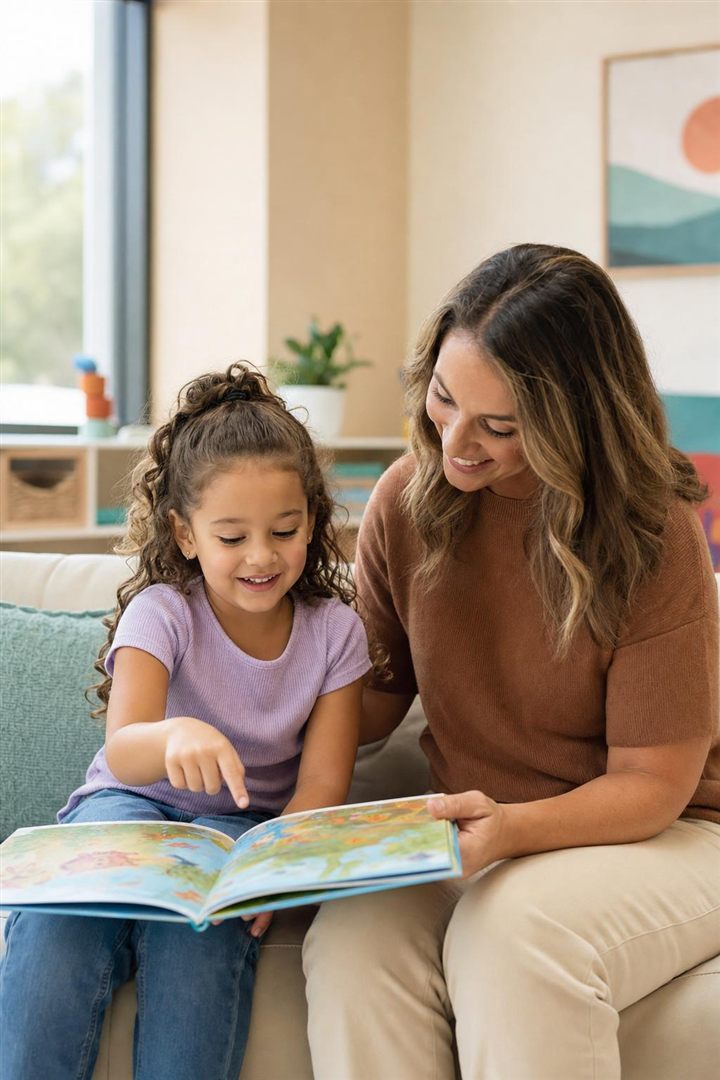
Following a visual schedule, moving between activities, sitting for group instruction, asking for help, and managing the routines of a school day. Practiced in our clinic, in groups, until they feel familiar.
At your request, we help you prepare for IFSP and IEP meetings, share progress data, and translate your child's therapy goals into language a school team can act on, to promote continuity of care across settings.
With your consent, we connect with teachers, school therapists, and other providers so the tools and approaches that work for your child are the same across settings whenever possible.
Support steps down as your child steps up. Goals, data, and check-ins with you guide the pace, so independence is earned rather than assumed.

We map your child's next setting and start date, review current skills, and agree on transition goals with your family.
Classroom-style routines and group learning move to the center of your child's sessions, with support faded on purpose.
At your request, we support IFSP and IEP planning and share strategies with your child's school team so everyone starts on the same page.
One-to-one support steps down as independence steps up, with check-ins to make sure the skills are holding in the new setting.
Children ages 3 to 6. We work with your family to build a plan around your child's needs and school or community setting.
Earlier than most families expect. A good transition takes time to practice, so we recommend starting the conversation well before your child's enrollment date. If school is already close, reach out anyway. We'll build the best plan the calendar allows.
Yes, at your request. We help you prepare, share progress data, and support the move from private services to services within an educational setting, so care stays consistent across settings.
Not necessarily. Goals shift, and one-to-one hours usually fade, but many families continue social skills groups or caregiver coaching as a bridge. The plan is individualized to your child and your family.
Whatever setting your family chooses: public or private preschool, early childhood special education, kindergarten, or a community program. With your consent, we coordinate with the team there.
Transition goals are part of an individualized treatment plan, and coverage depends on your plan. We'll verify your benefits and explain any costs clearly, just as we do for all of our services.