Social Skills Groups

Where practice becomes friendship

For children ages 6 to 12. Connection is a skill, and like any skill it grows with practice, support, and the right peers. Our groups give children a structured, joyful place to build it, and a real place for new skills to land: peers, play, and belonging.

Why Groups

Skills are built in sessions. Friendships are built in groups.

One-to-one therapy is where many skills begin. A group is where they get real. Sharing, waiting for a turn, joining a game already in progress, reading a friend's face: these are things a child can only practice with other children, in the moment, with support close by.

Our social skills groups are our most requested service, and for good reason. They are small, clinician-led, and built on the same naturalistic principles as everything else we do: motivation comes from the play itself, every child's way of communicating is honored, and goals are about connection, never about masking.

  • Small on purpose: children are matched by age and goals so every child has peers they can genuinely connect with.
  • Clinician-led: a trained clinician guides each group, coaching in the moment and stepping back as confidence grows.
  • Measured like everything we do: each child has individual goals, tracked session by session and reviewed with you.
Ask About Openings
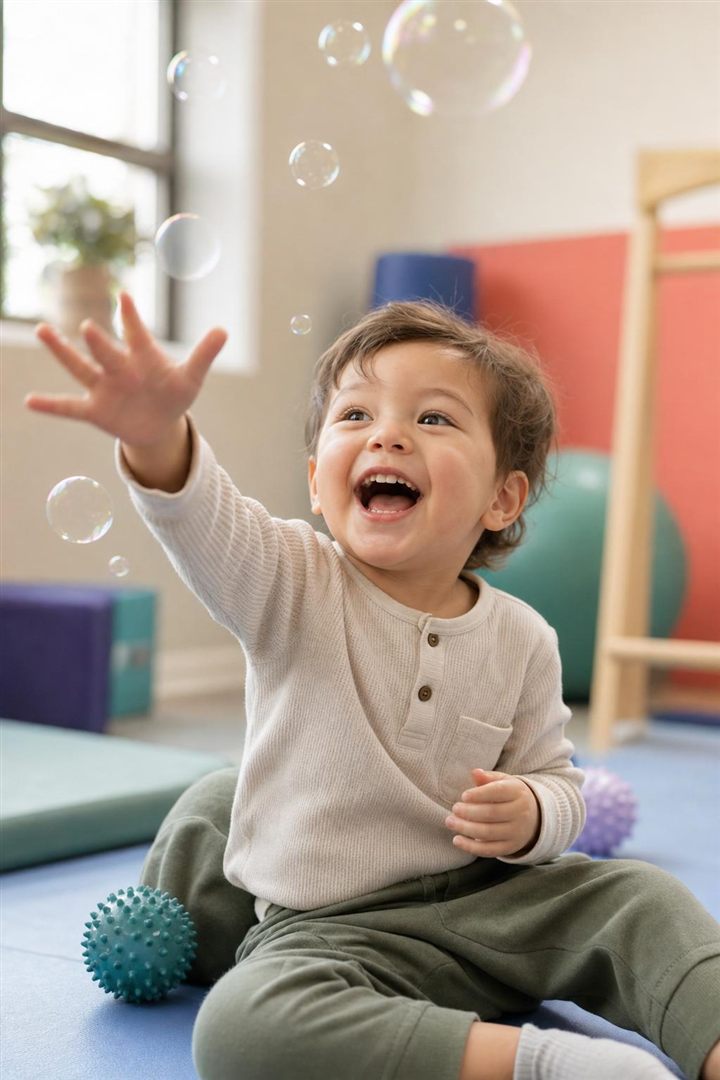
A young child laughing while playing with bubbles alongside peers
Our Programs

Three ways to grow together

Every child starts from a different place. Our programs meet them there, from a first supported pairing to an ongoing circle of friends.

Plus One Program

The gentlest first step from one-to-one into social play. Your child practices connection alongside a single peer, with a clinician nearby to support, model, and celebrate. Ideal for children who are ready for a friend but not yet a crowd.
Kid's Clubs

Small-group fun with a purpose. Games, projects, and shared adventures turn social learning into something kids ask to come back for, while clinicians weave in goals like joining play, taking turns, and handling the unexpected.

Friendship Clubs

Ongoing groups focused on the real ingredients of friendship: sharing, listening, taking turns, repairing a rough moment, and celebrating each other. For children building the skills to make friends and keep them.

Not sure which program fits? That's what the first conversation is for. Tell us about your child and we'll help you choose.

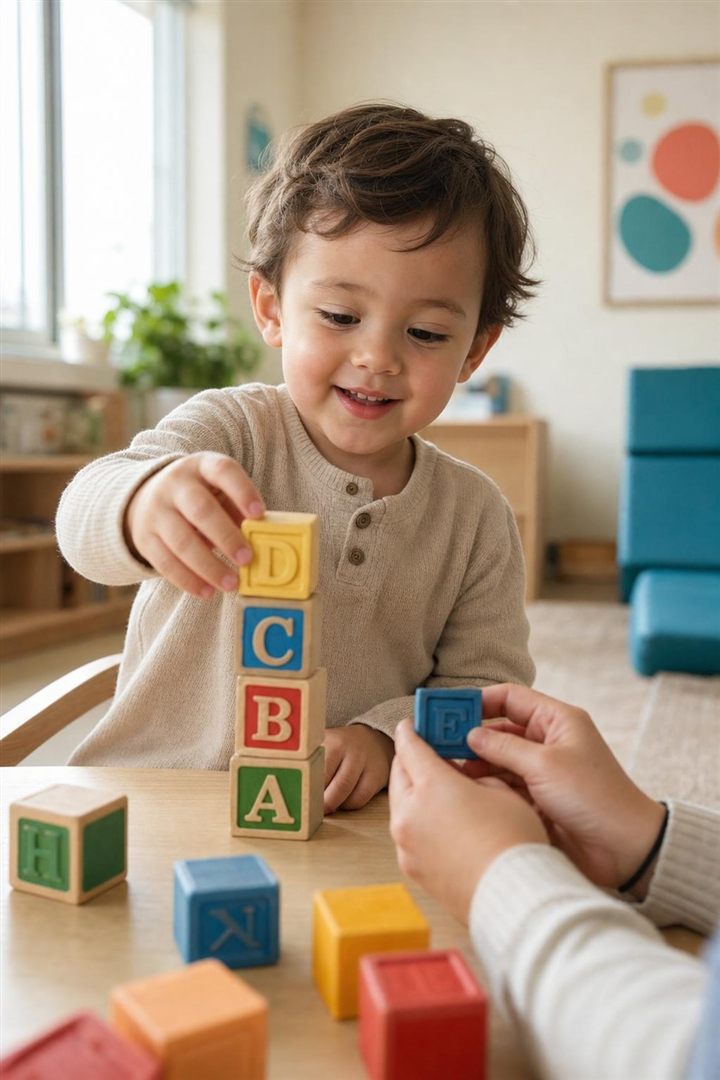
A child building with blocks during a small-group session
What Kids Practice

The building blocks of connection

  • Joining in: entering a game already in progress, and inviting others into yours.
  • Taking turns and sharing: waiting, trading, and negotiating, with support when it's hard.
  • Reading the room: noticing a friend's face, voice, and body, and responding in their own way.
  • Flexible thinking: handling a change of plans, a lost game, or a new rule without it derailing the fun.
  • Speaking up: asking for help, saying "not yet," and telling a friend what they need. Every form of communication counts.
  • Keeping friends: the repair skills that turn one good playdate into a lasting friendship.
How It Works

From first message to first friend

  1. Reach out

    Complete our intake form and tell us about your child. We'll talk through goals and which program fits.

  2. Meet and match

    A clinician meets your child, and we place them in a group with peers who share their age and goals.

  3. Play with purpose

    Groups meet regularly at our Kirkwood clinic. Each session is play-based, structured, and led by a clinician who tracks every child's goals.

  4. Progress you can see

    You get regular updates and practical ways to carry new skills into playdates, school, and family life.

Common Questions

Group questions, straight answers

Who are the groups for?

Children ages 6 to 12 who are ready to practice social skills with peers, whether or not they receive one-to-one services with us. Groups are formed by age and goals, so the best way to know if there's a fit is to reach out and tell us about your child.

Does my child need to be in one-to-one therapy to join a group?

No. Many children join our groups while receiving other services with us, and many join for groups alone. We'll talk through what makes sense for your child.

How big are the groups?

Small on purpose. The Plus One Program pairs your child with one peer. Kid's Clubs and Friendship Clubs are small groups sized so every child gets real attention and real practice.

Will my child be pushed to act "more typical"?

No. Our groups are neuroaffirming. Goals are about connection and confidence, never about masking. Every form of communication counts, sensory needs are respected, and a child's "not yet" is honored.

Does insurance cover groups?

Coverage depends on your plan. We'll verify your benefits and explain any costs clearly before your child starts, just as we do for all of our services.

Where and when do groups meet?

All groups meet at our clinic in Kirkwood, serving families across the St. Louis Metro Area. Schedules vary by group, so send us a message to ask about current openings.

Ready to find your child's people?

Tell us about your child and we'll help you find the right group.