School-readiness skills
Schedules, transitions, group instruction, and asking for help, practiced in our clinic until they feel familiar.
Every child is different, so every treatment plan is too. At our St. Louis clinic, we offer three programs: Early Intervention for ages 1 to 3, the Transition Program for ages 3 to 6, and Social Skills Groups for ages 6 to 12. Our clinic-based ABA services bring neuroaffirming, evidence-based care to your child's strengths and your family's goals.
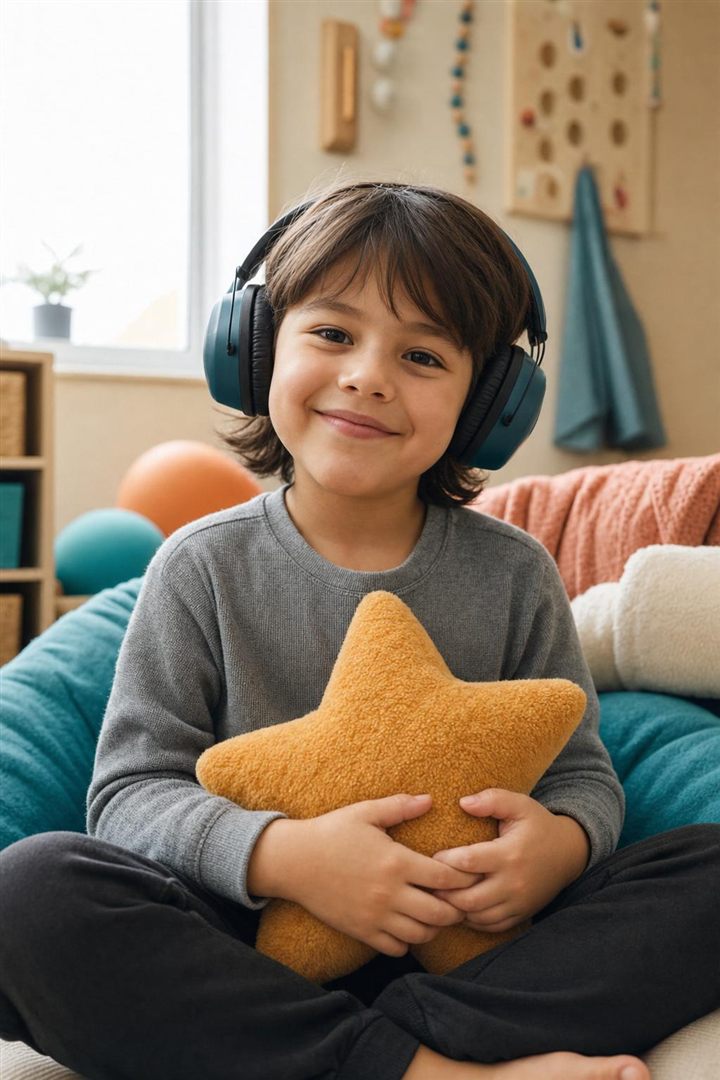
All of our ABA services are delivered at our St. Louis clinic in Kirkwood: a purpose-built environment with dedicated spaces for learning, movement, and quiet regulation, and consistent access to your child's full care team.
Our three programs support children at different stages. Early Intervention builds foundations for children ages 1 to 3 through naturalistic, play-based teaching. The Transition Program, for ages 3 to 6, carries those skills into school and community settings. Social Skills Groups help children ages 6 to 12 practice connection and friendship with peers.
Across all three, our care is neuroaffirming: we presume competence, honor every form of communication, respect sensory needs, and set goals that make your child's daily life genuinely better, never goals aimed at masking who they are.
Early Intervention Program Transition ProgramOur Early Intervention Program serves children ages 1 to 3. We practice naturalistic developmental behavioral interventions (NDBI), led by the Early Start Denver Model (ESDM): a model developed by Drs. Sally Rogers and Geraldine Dawson built for the years when the developing brain is at its most adaptable. It blends the developmental science of how children learn through relationships with the teaching principles of applied behavior analysis.
In practice, that means your child's goals for communication, imitation, social connection, and daily living skills are woven into games, songs, sensory play, and shared routines they genuinely enjoy. No table drills; just carefully engineered joy, measured rigorously.
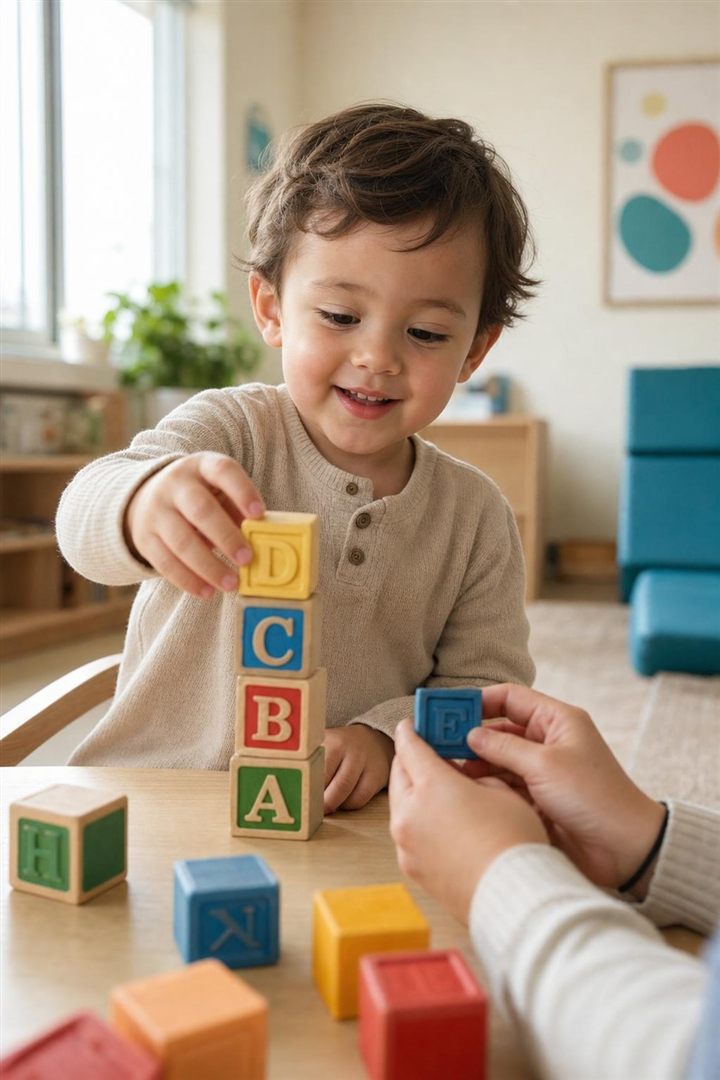
Our Transition Program serves children ages 3 to 6. Skills built in therapy should travel, so we plan the handoff so your child doesn't start over at the classroom door.
Schedules, transitions, group instruction, and asking for help, practiced in our clinic until they feel familiar.
At your request, we help you prepare for meetings and translate therapy goals into language a school team can act on.
With your consent, we connect with your child's new team so strategies stay consistent across home, clinic, and school.
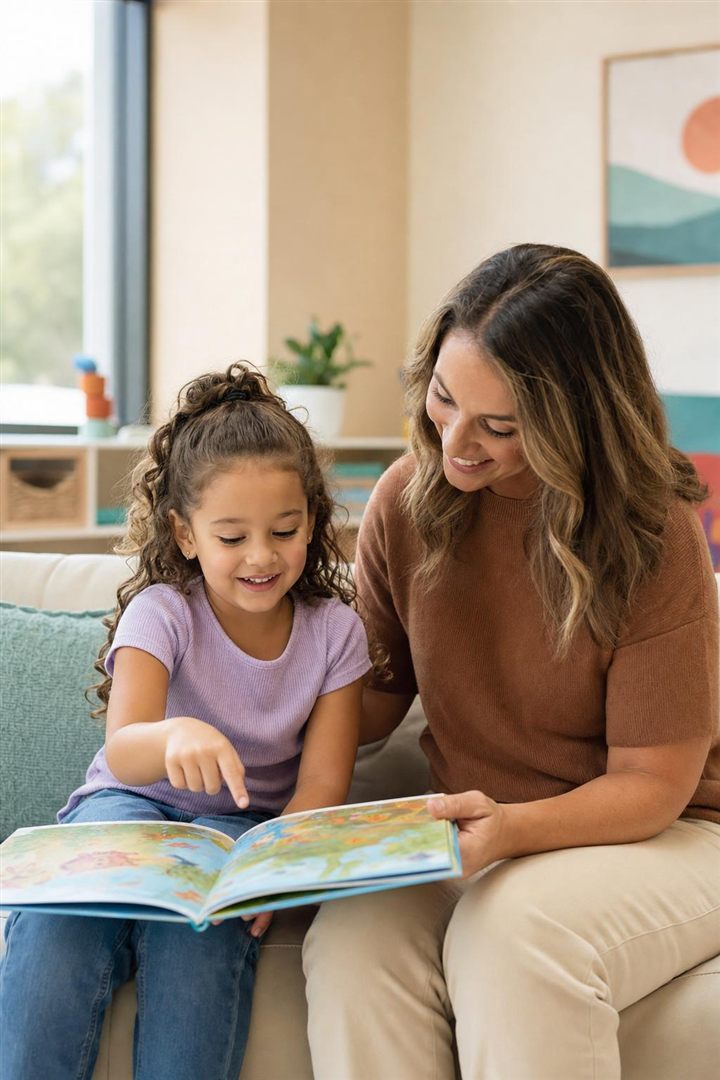
In naturalistic therapy, caregivers aren't observers; they're co-therapists. We coach you in the same strategies our clinicians use, so the connection and learning from each session carry into snack time, bath time, and everything in between.
Coaching happens alongside your child's regular sessions: practical, hands-on, and matched to your family's real routines. No homework packets, just skills you'll actually use.
Ask About Caregiver CoachingConnection is a skill, and like any skill, it grows with practice, support, and the right peers. Our groups give children ages 6 to 12 a structured, joyful place to build it.
A supported pairing experience where a child practices social skills alongside a peer, building confidence one connection at a time.
Small-group fun with a purpose: games, activities, and shared projects that turn social learning into something kids look forward to.
Ongoing groups focused on the real ingredients of friendship: sharing, listening, taking turns, and celebrating each other.